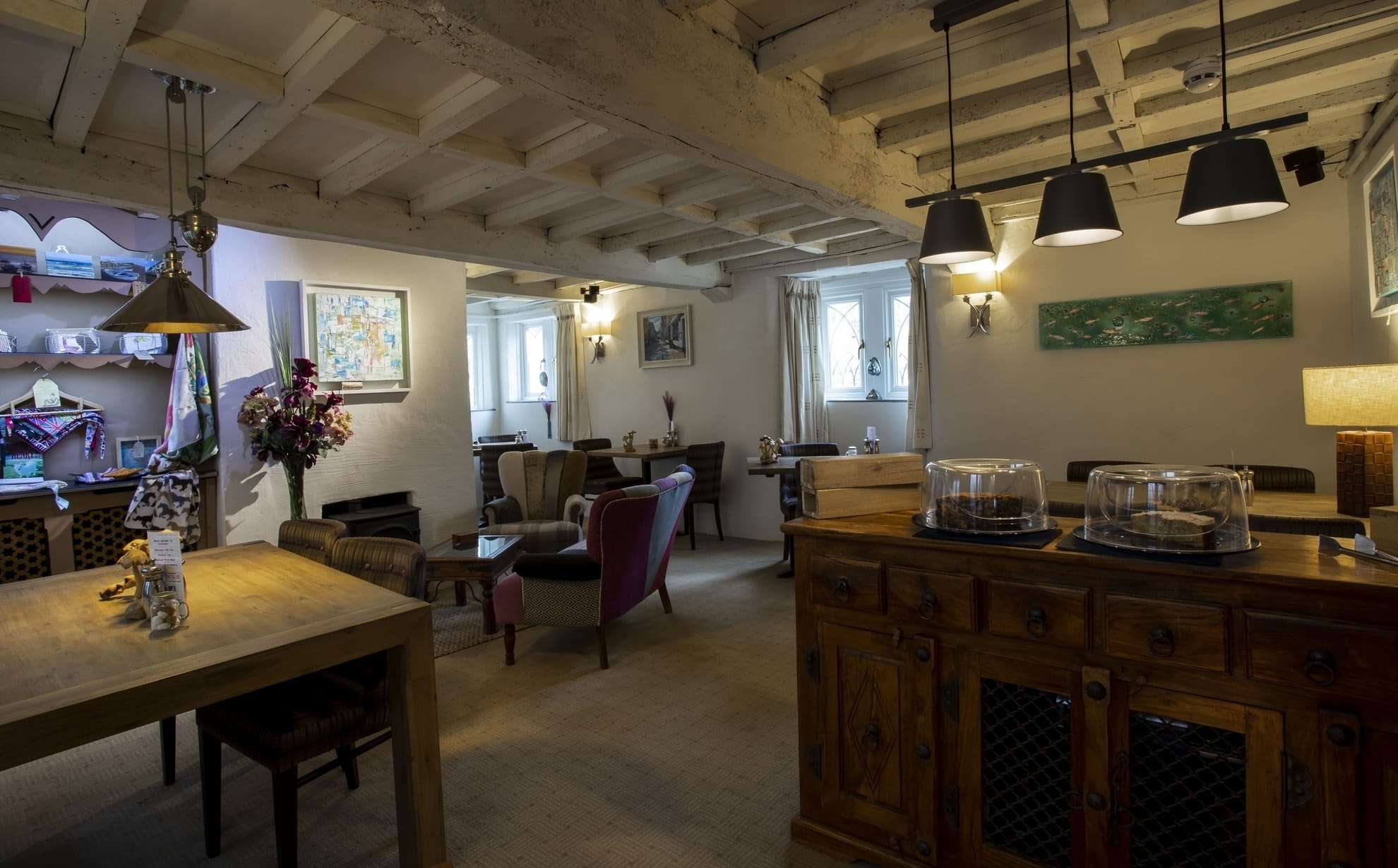
Welcome to The Salty Monk, an award-winning sixteenth century Bed and Breakfast in the beautiful seaside town of Sidmouth on Devon's Jurassic Coast. Our boutique bed and breakfast has been sympathetically restored to provide a luxury, relaxing and rejuvenating experience. Sidmouth is a great base for exploring East Devon or as an escape for a romantic break, wedding or honeymoon.
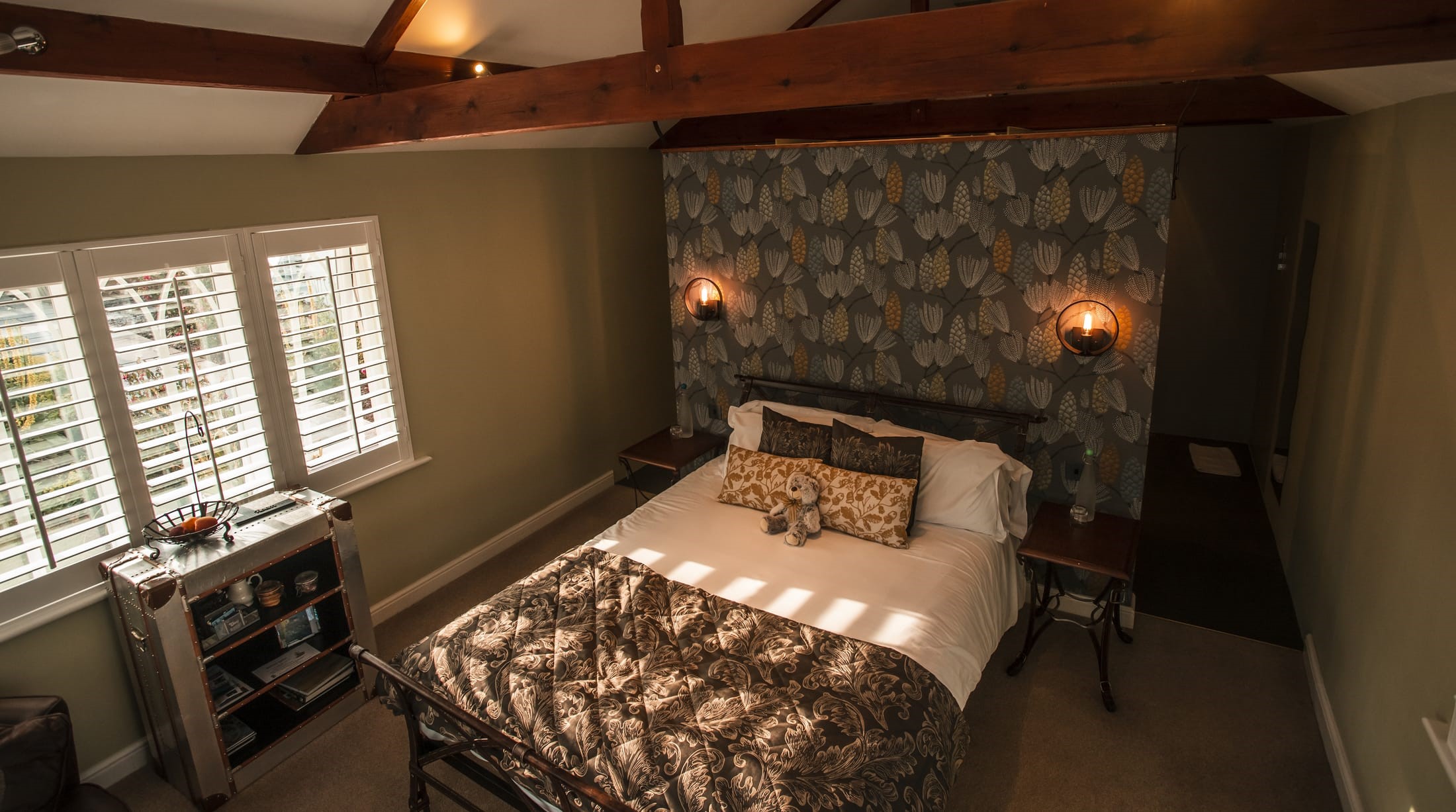
Our seven beautifully and individually appointed ensuite rooms all featuring digital TV, a beverage tray with homemade biscuits, teas, hot chocolate, freshly ground coffee, herbal teas and fresh milk. All the rooms enjoy crisp Egyptian cotton sheets, Devon Duvets made from 100% natural pure wool making them a great option for those who suffer from allergies and asthma, hypo allergenic Pillows, 600g fluffy towels and waffle cotton bathrobes for your every comfort.
Why not bring your Doggies to take in the local area and stay in one of our dog friendly rooms there are a wealth of walks in the area and doggie friendly businesses, The National Trust ”Byes” is just outside our Hotel for a fabulous walk into Sidmouth through the Parkland and into the town.
We look forward to welcoming you to The Salty Monk.
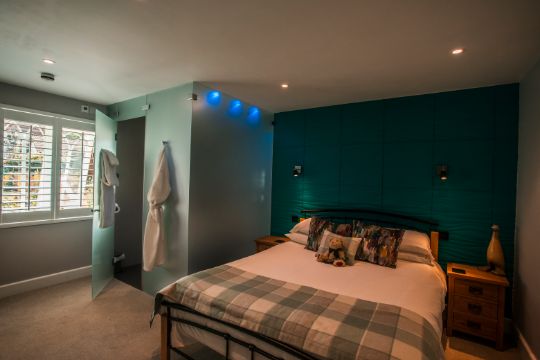
Award winning Sidmouth Bed and Breakfast with Comfy beds and a blend of comfort and luxury
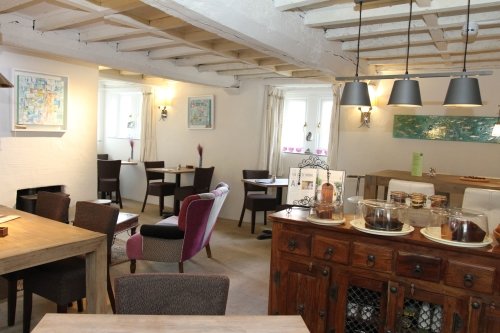
A celebration of the southwest’s best & freshest produce, served in a relaxed setting
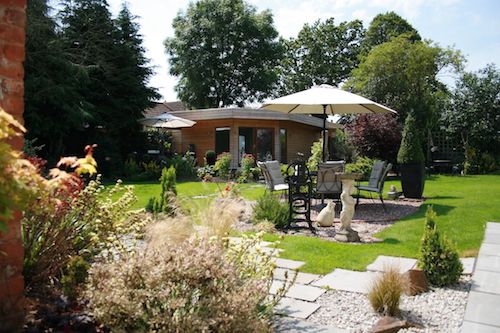
Bed and Breakfast deals and packages built with luxury in mind, take a view or contact us for more details
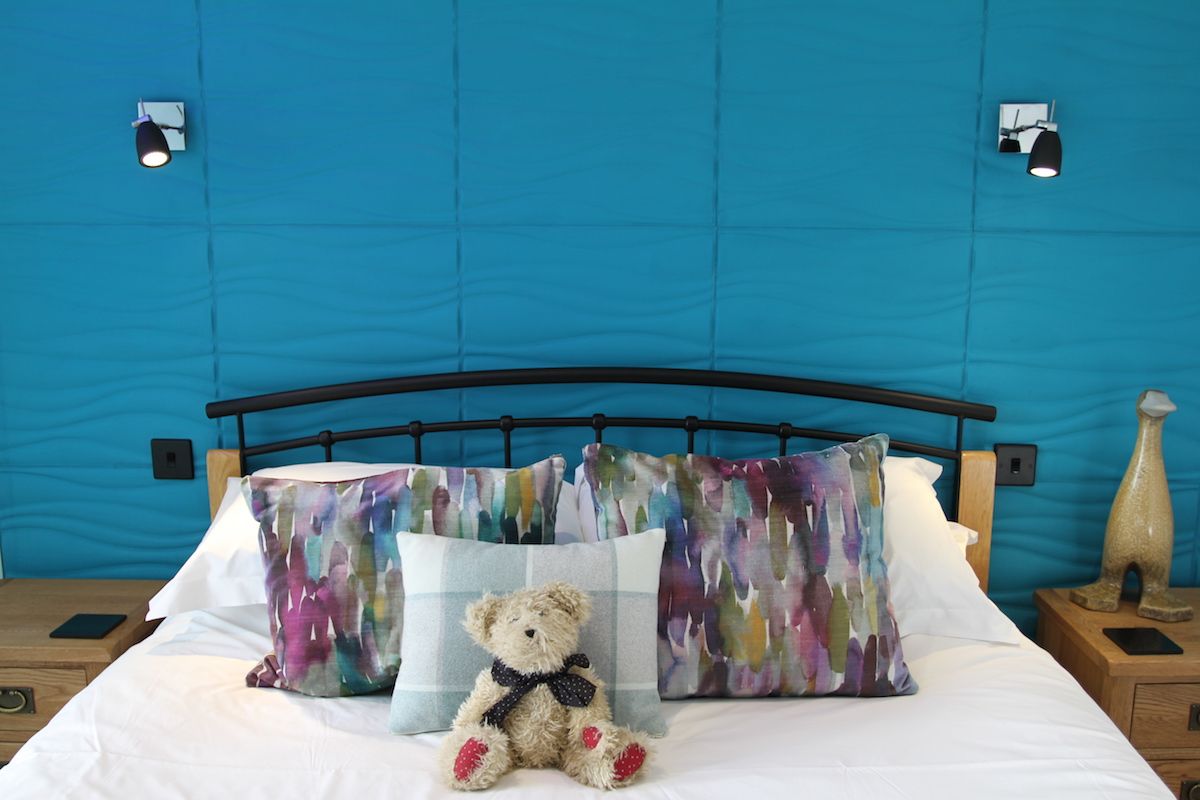
Our bed and breakfast is located in Sidmouth along the stunning East Devon coast. Offering seven rooms all en-suite, with a mixture of power showers and luxury baths.
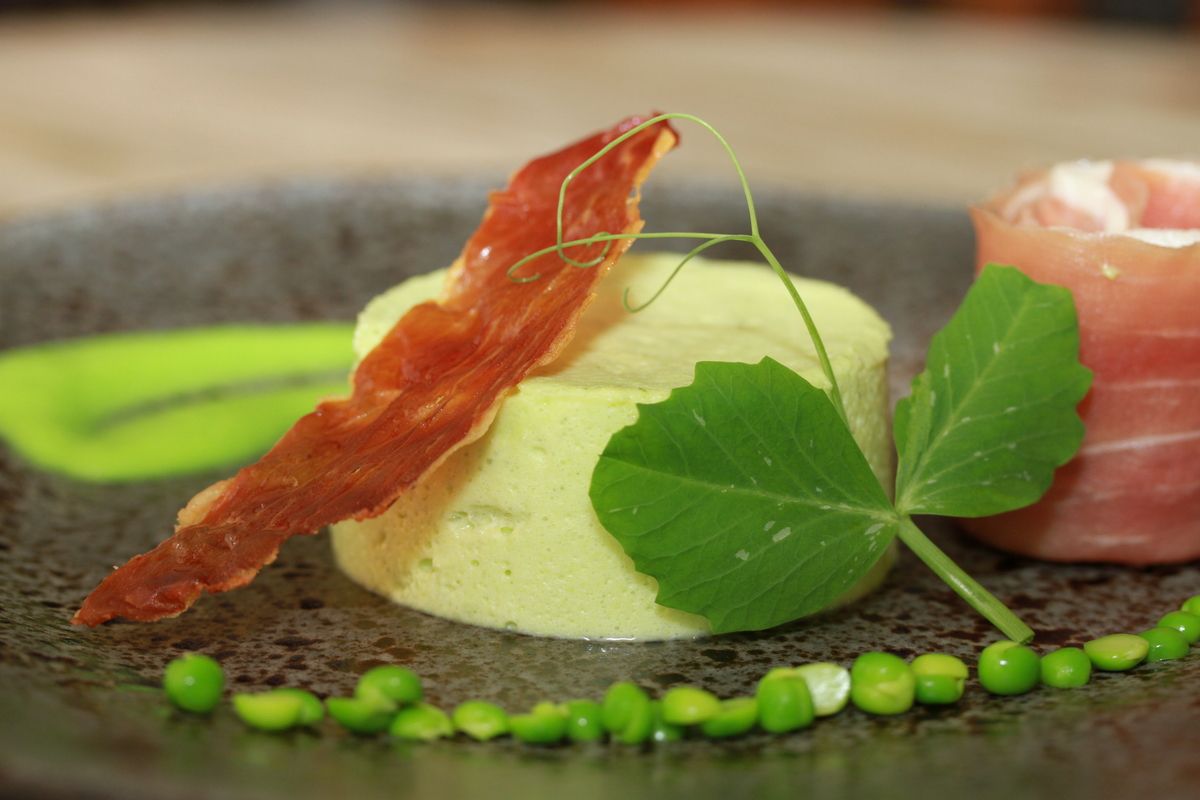
Our restaurant is light and airy with views of our award-winning gardens. We pride ourselves on using only the finest, freshest and, wherever possible, organic ingredients sourced from the West Country.